
How Deep Breathing Helps You Calm Down: The Science Behind It
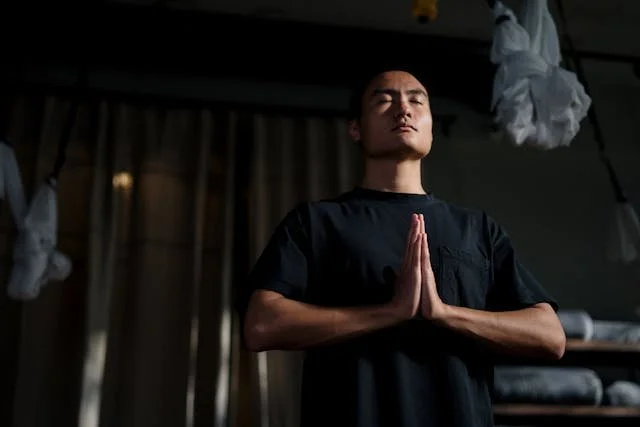
Have you ever been so stressed or upset that someone told you to “just breathe”? It might sound simple—maybe even annoying—but deep breathing actually works, and there’s real science behind why. It’s not just about getting more air into your lungs. Deep breathing can actually help regulate your emotions and calm trauma responses. And it has a lot to do with something in your body called the vagus nerve.
Let’s break it down.
Your Body’s Built-In Alarm System
When you’re scared, stressed, or overwhelmed, your body goes into what’s called “fight, flight, or freeze” mode. This is your nervous system’s way of protecting you from danger. Your heart races, your muscles tense, and your breathing becomes fast and shallow. This all happens because your sympathetic nervous system takes over—it’s your body’s alarm system.
This system is great when you’re in real danger, like if you’re about to get hit by a car and need to jump out of the way. But it can also go off during emotional or psychological stress, like after a traumatic event or during an anxiety attack. Your brain thinks you’re in danger, even when you're not.
Meet the Vagus Nerve: Your Body’s Calm Button
Here’s where the vagus nerve (also called the polyvagal nerve) comes in. The vagus nerve is the longest nerve in your body, running from your brain all the way down to your stomach. It’s part of your parasympathetic nervous system, which is like the opposite of your alarm system. Instead of firing you up, it helps calm you down.
Think of the vagus nerve as your body’s built-in “chill out” button. When it’s activated, your heart rate slows, your breathing deepens, and your muscles relax. You feel safer and more in control of your emotions. This is especially important if you’ve experienced trauma, because your nervous system might be “on high alert” all the time.
How Deep Breathing Activates the Vagus Nerve
So how do you press that chill-out button? One of the easiest and most effective ways is through deep breathing.
When you breathe deeply and slowly—especially from your belly instead of your chest—you send a signal to your brain that it’s okay to relax. This type of breathing is called diaphragmatic breathing, and it activates the vagus nerve.
By doing this, you shift your nervous system out of fight-or-flight mode and into rest-and-digest mode. Your heart rate drops, your blood pressure lowers, and your body starts to feel safe again. Over time, deep breathing can actually rewire your brain and body to handle stress better.
A Simple Breathing Exercise to Try
You don’t need any special tools or training to use your breath to calm down. Try this simple exercise called box breathing:
Breathe in for 4 seconds
Hold your breath for 4 seconds
Breathe out for 4 seconds
Hold your breath again for 4 seconds
Repeat 3-4 times
It only takes a minute, but it can make a big difference in how you feel.
Why This Matters for Emotions and Trauma
When your nervous system is stuck in stress mode, your emotions can feel all over the place—like anxiety, anger, or sadness that seems to come out of nowhere. If you’ve experienced trauma, this can be even more intense. Deep breathing gives you a tool you can control to help your body feel safe again.
It doesn’t fix everything, but it’s a powerful first step toward emotional regulation. And the more you practice it, the more your body will learn that it doesn’t have to stay in survival mode all the time.
Find a Therapist in Sierra Madre, California Today to Begin Your Healing Journey
Deep breathing might sound simple, but it’s seriously powerful. By learning and being guided by one of our culturally competent and trauma-informed therapists, you can start tapping into the vagus nerve, using your body’s natural system to calm your brain, steady your emotions, and even help heal from trauma. Schedule your complimentary consultation today by completing a contact form.