
How Childhood Attachment Styles Affect Your Adult Relationships
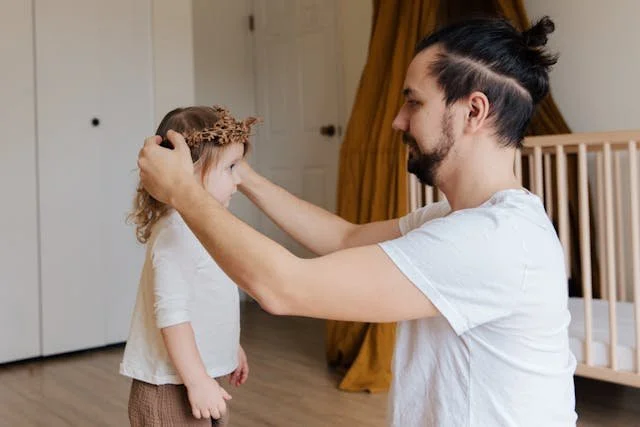
Have you ever wondered why some people seem super secure in relationships while others pull away—or cling on too tightly? A big part of the answer might go all the way back to childhood. Believe it or not, the way we connected with our caregivers (like parents or guardians) when we were little can shape how we connect with others as adults.
This is called attachment style, and it’s a topic that mental health professionals talk about a lot—because it really matters.
Let’s break down the four main types of attachment styles and how they can affect your relationships today.
1. Secure Attachment
This is the “healthy” attachment style most people aim for. If you had caregivers who were consistent, loving, and responsive to your needs, you likely developed a secure attachment.
In adult relationships:
People with secure attachment feel comfortable with both intimacy and independence. They trust others, communicate well, and can handle conflict without freaking out. They’re also more likely to have longer, more satisfying relationships.
2. Anxious Attachment (also called Preoccupied)
This style often comes from inconsistent caregiving—sometimes your needs were met, sometimes they weren’t. That unpredictability can lead to fear of abandonment.
In adult relationships:
People with anxious attachment may worry their partner doesn’t love them or is going to leave. They might need constant reassurance or get very upset when they don’t hear back right away. They crave closeness but fear being rejected.
3. Avoidant Attachment (also called Dismissive)
This style can develop when caregivers were emotionally distant or discouraged showing feelings. Kids may learn to rely only on themselves and hide their emotions.
In adult relationships:
Avoidant people might seem very independent, but sometimes they avoid emotional closeness because it feels unsafe. They may have trouble opening up, even if they care deeply. When things get too emotional, they might pull away.
4. Disorganized Attachment (also called Fearful-Avoidant)
This is the most complex style and usually comes from scary or traumatic early experiences—like abuse or neglect. A child might not know what to expect from their caregiver, which creates confusion and fear.
In adult relationships:
Disorganized attachment often shows up as a push-pull dynamic. These individuals may want love but fear getting hurt, so they might sabotage relationships without meaning to. Their actions can seem unpredictable—even to themselves.
Can Attachment Styles Change?
Yes! While attachment styles are rooted in early life, they aren’t set in stone. With self-awareness, time, and support (like therapy), people can move toward more secure, healthy ways of connecting with others. This is called developing “earned secure attachment.”
If you see yourself in one of the insecure styles (anxious, avoidant, or disorganized), don’t worry—you’re not broken. You’re human. And understanding your patterns is the first step toward healing.
Therapy in the San Gabriel Valley can Help you Create Healthier Relationships
If your relationships feel confusing, stressful, or painful, you’re not alone. Our therapists can help you explore where your attachment style comes from—and how to build new, more secure patterns in your life.
At Attachment Based Therapy Tx in the heart of Sierra Madre, California, we specialize in helping teens and adults understand their emotional world, improve relationships, and feel more confident in themselves. Whether you’re struggling with anxiety, trust issues, or just want to better understand yourself, we’re here to support you.
Ready to take the next step?
Reach out today to schedule a free consultation. Your future relationships will thank you.